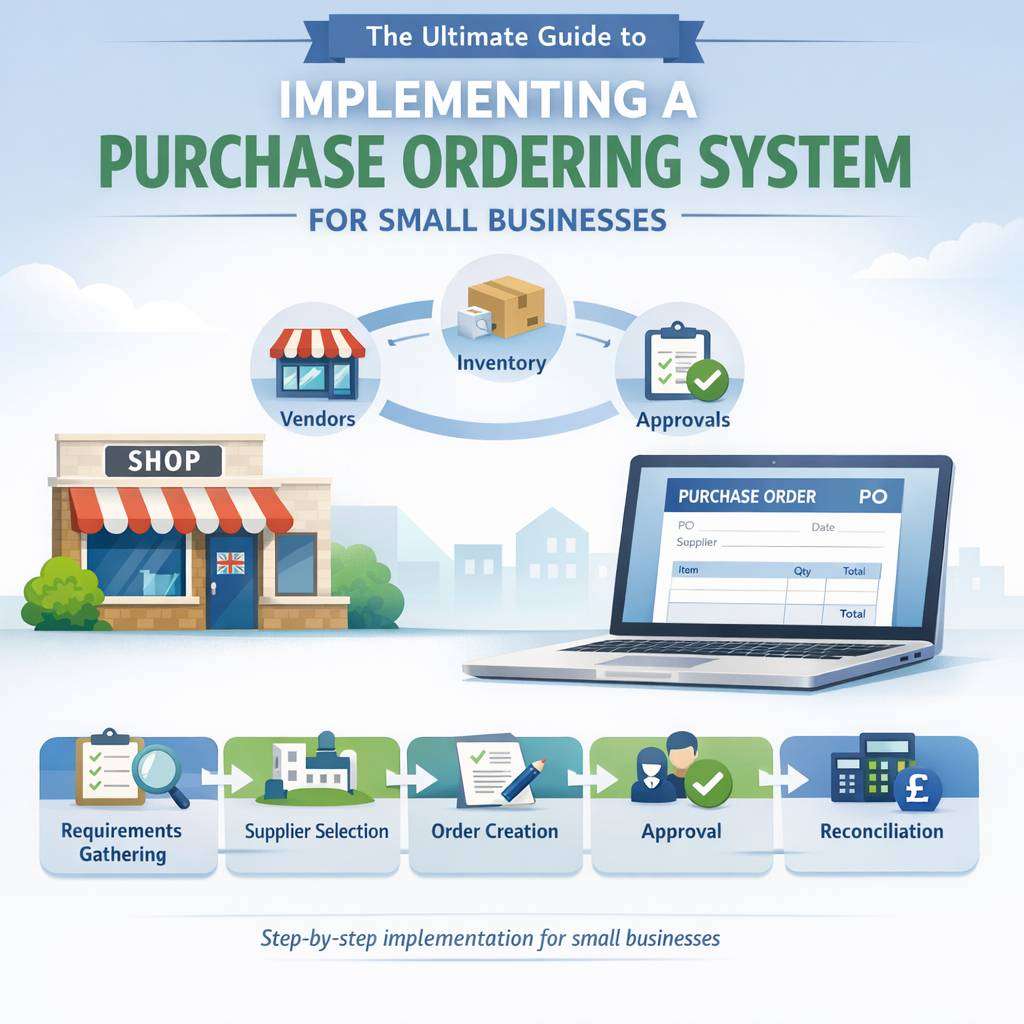
Welcome to your practical, friendly guide on transforming procurement in small businesses. Implementing a robust purchase ordering system can streamline suppliers, control costs, and provide clear visibility across the supply chain. In this guide, you’ll find actionable steps, practical tips, and key terms to help you choose and implement the right solution for your organisation.
Purchase Order System
A purchase order system is the backbone of organised procurement. It centralises request creation, approval workflows, and order tracking, reducing miscommunication and errors. For small businesses, a well-chosen po system can replace scattered emails and post-it notes with a single, auditable trail. Look for features such as templated purchase orders, automatic status updates, and supplier portals. A strong purchase order system will integrate with your accounting and inventory management to prevent stockouts or overstock.
What to look for in a purchase order system
- Clear, customisable PO templates
- Multi-user approval workflows with permissions
- Real-time order status and notifications
- Supplier catalogue integration
- Audit trails and change logs
- Compatibility with your existing accounting software
Purchase Order Management System
A purchase order management system extends the basic PO process with end-to-end controls. It includes requisitioning, approvals, budget checks, and reporting. The aim is to prevent maverick purchases and provide financial oversight. With a robust purchase order management system, you gain insights into spend patterns, supplier performance, and contract compliance.
Benefits of a strong po system
- Controlled spending aligned with budgets
- Improved supplier performance and reliability
- Time savings through automated workflows
- Enhanced data for negotiating better terms
- Better compliance with internal policies and external regulations
Po System
The term po system is commonly used as shorthand for purchase order systems. In practice, it should empower staff to initiate purchases with confidence while giving finance teams the controls they need. A well-designed po system should be intuitive for non-finance users yet powerful enough to handle complexity as you scale.
Implementation tips for a successful po system
- Start with a small pilot, such as one department, before organisation-wide rollout
- Map current processes to the new workflow and identify bottlenecks
- Ensure clear ownership of each step from requisition to receipt
- Train users thoroughly and provide quick reference guides
- Establish a realistic timeline with go-live milestones
Purchase Order Control System
A purchase order control system emphasises governance. It enforces approvals, budget checks, and policy compliance, ensuring every order aligns with financial controls. This is particularly important for smaller organisations that want to avoid spend leakage and ensure transparency.
Key controls to implement
- Spend thresholds and automatic approvals based on budget limits
- Mandatory supplier selection rules to avoid maverick purchasing
- Segregation of duties to reduce the risk of fraud
- Objection and exception handling workflows for non-standard purchases
- Regular reconciliation between PO data, receipts, and invoices
Purchase Order Software
Purchase order software refers to the digital tools that support creating, approving, and tracking POs. Modern software for purchase orders often includes cloud access, mobile functionality, and dashboards for real-time insights. It can come as a standalone product or as part of an integrated enterprise resource planning (ERP) or accounting suite.
Choosing the right purchase order software
- Assess total cost of ownership, including setup, training, and ongoing support
- Check for ease of use and a short learning curve
- Look for cloud-based access and mobile compatibility
- Ensure strong data security and user access controls
- Confirm integration capabilities with your accounting, ERP, and inventory systems
Software for Purchase Orders
Software for purchase orders should streamline the entire lifecycle—from requisition to receipt. The best options provide configurable approval routing, supplier management, and reporting. Prioritise solutions that offer data export, custom fields, and role-based access to cater to your organisation’s structure.
A modern purchase ordering system streamlines procurement, reducing errors and accelerating approvals. It centralizes supplier catalogs, automates workflows, and improves budget control. Businesses can track spend in real time, forecast needs, and ensure compliance across teams. For more, visit https://cloudb2b.co.uk/.
Practical considerations when evaluating software for purchase orders
- How well the software supports multi-department approvals
- Availability of supplier portals for electronic invoicing
- Real-time budget checks and alerting
- Import/export options for legacy data
- Scalability to accommodate growth and increased supplier volumes
Purchase Order Management Software
Purchase order management software focuses on end-to-end lifecycle management. It brings together requisitions, PO creation, approvals, order changes, and invoice matching. This software helps you maintain control over procurement, reduce processing times, and improve financial accuracy.
Implementation roadmap for purchase order management software
- Define your objectives: cycle time reduction, spend visibility, and policy compliance
- Inventory current processes using process mapping
- Select a software solution that matches your business size and sector
- Configure approval routes, budget thresholds, and supplier records
- Migrate data carefully, prioritising active POs and approved suppliers
- Train users with role-based paths and practice scenarios
- Monitor KPIs such as cycle time, spend under management, and PO accuracy
Purchase Order Systems
Purchase order systems encompass the entire ecosystem that supports procurement governance. As a small business, you’ll want a system that is cost-effective, scalable, and user-friendly. The right po system should deliver a clear return on investment through reduced manual work, better supplier terms, and improved financial control.
Transitioning to a modern purchase order system
- Choose a solution with a clean user interface and straightforward onboarding
- Ensure your team has access to self-service features for simple POs
- Look for native reporting and dashboards that reveal spend trends
- Plan for data cleansing during migration, aligning supplier records and GL accounts
- Establish a change management plan to foster adoption and buy-in
In Summary
Implementing a purchase ordering system is a strategic move for small businesses aiming to tighten control and improve efficiency. Whether you call it a po system, purchase order software, or purchase order management software, the underlying goal remains the same: to create a transparent, accountable, and responsive procurement process. Start with a clear map of your current workflow, choose a solution that aligns with your budgets and goals, and invest in user training and governance. With the right purchase order system in place, you’ll enjoy quicker approvals, safer spend, and greater peace of mind for your business.