A robust po system for small business streamlines approvals, invoicing, and supplier management, reducing errors and delays. With scalable features, it grows alongside operations, boosting accuracy and cash flow visibility. Teams save time on routine tasks and focus on strategic sourcing. For more information, visit this resource: https://undergrad-inside.wharton.upenn.edu/purchase-orders/
A PO system for small business helps streamline procurement, control costs, and improve supplier communications. With scalable features, owners can automate approvals, track orders, and reduce manual errors. This efficiency supports growth, especially for startups balancing cash flow and inventory. For more advanced digital options, consider a platform that integrates seamlessly with existing tools. https://www.sosinventory.com/digital-purchase-orders
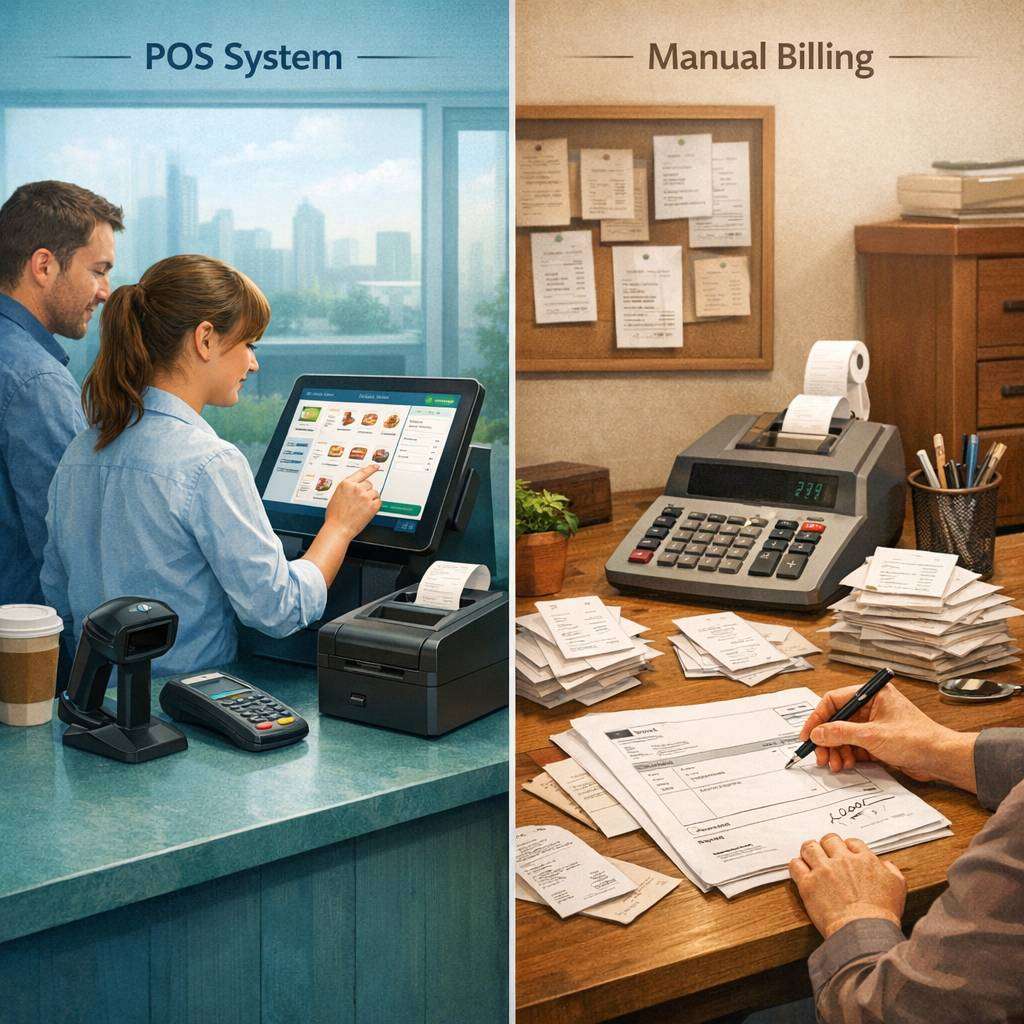
In the fast-paced world of small business, choosing the right invoicing and purchasing workflow can significantly impact cash flow, efficiency, and supplier relationships. This guest post examines the comparison between a Po System for small business and traditional manual billing, highlighting the practical advantages and potential drawbacks of each approach. We’ll touch on terms such as purchase order systems, online purchase order system, cloud based purchase order software, software for purchase orders, purchase order management software, electronic purchase order system, purchase order system, and purchase orders software.
What a Po System Delivers for Small Business
A purchase order (PO) system is more than a digitised form process; it represents a structured workflow that starts with requisition and ends with receipt and payment. For small businesses, the core benefits include:
- Standardised processes: A PO system enforces standard procedures for ordering, approvals, and budget checks, reducing the risk of maverick purchases.
- Real-time visibility: Real-time tracking of open POs, deliveries, and invoicing avoids duplicates, mischarges, and partial shipments slipping through the cracks.
- Better spend control: With thresholds, permissions, and prompts, organisations can control authorised spend and ensure purchases align with budgetary constraints.
- Improved supplier relationships: Electronic PO systems generate consistent documentation, improving accuracy and supplier confidence, which can lead to better payment terms or preferred supplier status.
When evaluating options, look for features spanning creation, approval workflows, change management, and integration with accounting or ERP systems. A cloud based purchase order software solution can simplify deployment, updates, and access for remote or hybrid teams.
Manual Billing: What It Entails and When It Is Still Viable
Manual billing relies on paper or basic spreadsheet processes. Its relative simplicity can be appealing, especially for very small operations or one-person businesses with straightforward supplier arrangements. However, manual billing presents notable drawbacks:
- Error-prone processes: Manual data entry increases the likelihood of transposition errors, incorrect quantities, or miscalculated totals.
- Limited audit trails: Paper trails can complicate reconciliation during audits or when chasing late invoices.
- Slower processes: Approvals, authorisations, and document routing take longer without automation, delaying procurement and payment cycles.
- Scalability challenges: As purchase volumes rise, manual processes tend to become unwieldy, consuming more staff time and increasing the likelihood of delays.
For light, low-volume operations, manual billing can still work, but as a business grows, the efficiencies of a PO System become increasingly valuable.
Key Features to Compare: Po System vs. Manual Billing
When assessing purchase order solutions versus manual methods, consider these essential capabilities:
- Purchase order creation and approvals: A robust PO system supports multi-stage approvals, budget checks, and audit-ready records. Manual processes require physical or email routing and can be error-prone.
- Vendor master and catalogue integration: Modern systems link vendor data, catalogues, and contract terms directly to POs, reducing misalignment and enabling bulk purchasing.
- Electronic invoicing and matching: The electronic purchase order system enables three-way matching (PO, receipt, and invoice) to ensure charges align with what was ordered.
- Cloud accessibility: A cloud based purchase order software provides access across devices and locations, supporting remote teams and flexible work arrangements.
- Reporting and analytics: Insightful dashboards help track spend by category, supplier performance, and cycle times, which manual systems often struggle to quantify precisely.
- Integration with accounting: Synchronisation with accounts payable and general ledger is essential for clean financial records and timely payments.
Pros and Cons: Po System for Small Business
-
Pros:
- Efficiency gains: Automated workflows reduce manual handoffs and cut processing times.
- Accuracy and control: PO validation and three-way matching minimise errors and fraud.
- Auditability: Electronic records create clear provenance for every purchase, improving governance.
- Supplier leverage: Consistent PO practices can improve supplier negotiation power and terms.
- Scalability: Cloud based purchase order software scales with growth and remote work needs.
-
Cons:
- Implementation effort: Initial setup, data migration, and user training require time and resources.
- Change management: Stakeholders accustomed to manual processes may resist automation.
- Upfront costs: licences, subscription fees, and potential integration work can be an ongoing expense.
- Complexity for simple needs: Very small teams with straightforward purchasing may not utilise all features.
Pros:
- Efficiency gains: Automated workflows reduce manual handoffs and cut processing times.
- Accuracy and control: PO validation and three-way matching minimise errors and fraud.
- Auditability: Electronic records create clear provenance for every purchase, improving governance.
- Supplier leverage: Consistent PO practices can improve supplier negotiation power and terms.
- Scalability: Cloud based purchase order software scales with growth and remote work needs.
Cons:
- Implementation effort: Initial setup, data migration, and user training require time and resources.
- Change management: Stakeholders accustomed to manual processes may resist automation.
- Upfront costs: licences, subscription fees, and potential integration work can be an ongoing expense.
- Complexity for simple needs: Very small teams with straightforward purchasing may not utilise all features.
A PO system for small business streamlines purchasing, approvals, and supplier management, improving accuracy and control. It reduces manual errors, cuts cycle times, and enhances budgeting visibility. Implementing the right solution scales with growth and simplifies audits for growing teams. For more, visit https://facts.fldfs.com/.
FAQ: Po System for Small Business
What is a PO system for small business?
A PO system for small business refers to a Purchase Order system that helps you create, approve, track, and manage purchase orders. It streamlines procurement, improves supplier communication, and provides audit trails—all tailored to meet the needs and scale of small businesses.
Why do small businesses need a PO system?
- Improves control over spending and budgeting
- Helps prevent oversights and duplicate orders
- Provides clear approval workflows
- Enhances supplier relationships with accurate, timely orders
- Simplifies accounting and audit compliance
What features should I look for in a PO system for a small business?
- Simple, intuitive UI suitable for non-tech users
- Customizable approval workflows and role-based access
- Vendor management and supplier catalogs
- Real-time order status tracking and notifications
- Integration with accounting, ERP, and inventory systems
- Budget and spend tracking, reporting dashboards
- Cloud-based accessibility and mobile compatibility
How does a PO system differ from an invoicing system?
A PO system focuses on the procurement process—creating purchase orders, approvals, receiving goods, and matching invoices. An invoicing system handles billing and payment processing. Many tools combine both functions, but a dedicated PO module emphasises procurement control and supplier governance.
Can a PO system help with inventory management?
Yes. Many PO systems integrate with inventory modules to auto-update stock levels when POs are received. This helps prevent stockouts, reduce excess inventory, and improve reorder timing.
What is a purchase order workflow?
A purchase order workflow is the predefined process a PO goes through from creation to approval, order placement, receipt of goods/services, and invoice matching. Workflows typically include approval routing, budget checks, and notification steps.
How long does it take to implement a PO system for a small business?
Implementation time varies based on complexity, data migration, and integrations. A basic, cloud-based PO system can be up and running in days, while more advanced setups with ERP integrations may take weeks. A phased rollout is common.
What are common integration options for a PO system?
- Accounting software (e.g., QuickBooks, Xero)
- ERP systems (e.g., NetSuite, SAP Business One)
- Inventory management or warehouse apps
- CRM and vendor management tools
- eProcurement catalogs and supplier portals
Is a PO system necessary for sole proprietors or freelancers?
Sole proprietors can benefit from a PO system for tracking expenses, maintaining vendor records, and preserving audit trails, especially as you scale. A lightweight or modular option can be sufficient for very small operations.
How secure is a PO system for small businesses?
Security depends on the provider and configuration. Look for:
- Role-based access control
- Two-factor authentication
- Data encryption in transit and at rest
- Regular backups and disaster recovery
- Audit logs and activity tracking
What is the typical cost model?
- Per-user or per-seat pricing
- Tiered plans based on features (basic, standard, pro)
- Add-ons for integrations or advanced analytics
- Some vendors offer monthly subscriptions with no long-term contracts
How do I choose the right PO system for my business?
- Assess your budgeting and approval needs
- Consider required integrations with accounting or inventory
- Evaluate ease of use and user adoption potential
- Check scalability for growth
- Review pricing, support options, and implementation timelines
- Request demos and trial periods
Can a PO system help with compliance and audits?
Yes. It provides an auditable trail of approvals, changes, and receipts, helping with internal controls and external audits. You can generate standard reports to demonstrate procurement governance.
What are common limitations of small-business PO systems?
- Limited customisation on lower-tier plans
- Moderate support queues or slower response times
- Integration constraints with older accounting software
- Feature gaps in very niche industries (e.g., manufacturing-specific requirements)
Do I need training to use a PO system?
Yes. Short training sessions or onboarding resources help users create POs, approve requests, and resolve exceptions efficiently. Look for vendor-provided tutorials, documentation, and customer support.
How do I implement a PO system with minimal disruption?
- Start with a clear scope and key processes
- Migrate a limited, representative dataset
- Run a pilot with a small team
- Gather feedback and iterate
- Gradually roll out to more users with ongoing support
What is the typical return on investment (ROI) for a PO system?
ROI comes from reduced maverick spending, faster procurement cycles, fewer errors, and better supplier terms. Expect improvements in spend visibility, time savings, and potential cost reductions over time.
Pros and Cons: Manual Billing for Small Business
-
Pros:
- Low upfront complexity: Minimal setup and no ongoing software licence costs.
- Familiar processes: Staff may prefer known methods and physical documents.
- Flexibility: Ad hoc, non-standard purchases can be managed with fewer constraints.
-
Cons:
- Error risk: Manual data entry increases mistakes and mischarges.
- Delays: Approvals and routing slow the procurement cycle.
- Poor visibility: Tracking spend and supplier performance becomes difficult.
- Inefficient reconciliation: Matching invoices to POs and receipts is labour-intensive.
- Limited data insights: Analysing spend patterns is harder without structured data.
Pros:
- Low upfront complexity: Minimal setup and no ongoing software licence costs.
- Familiar processes: Staff may prefer known methods and physical documents.
- Flexibility: Ad hoc, non-standard purchases can be managed with fewer constraints.
Cons:
- Error risk: Manual data entry increases mistakes and mischarges.
- Delays: Approvals and routing slow the procurement cycle.
- Poor visibility: Tracking spend and supplier performance becomes difficult.
- Inefficient reconciliation: Matching invoices to POs and receipts is labour-intensive.
- Limited data insights: Analysing spend patterns is harder without structured data.
Choosing Between a Purchase Order System and Manual Billing
- Assess your scale and complexity: If you process hundreds of POs monthly or expect growth, a PO system is typically worth the investment.
- Consider your collaboration needs: Remote teams, multiple suppliers, or strict compliance requirements benefit from cloud based purchase order software and centralised records.
- Evaluate total cost of ownership: Compare not only license fees but also potential savings from reduced errors, faster cycle times, and improved supplier terms.
- Think about integration: If you already use an accounting or ERP system, ensure the software for purchase orders can integrate smoothly for seamless data flow.
- Plan the rollout: A phased approach—pilot with a single department, then expand—can reduce resistance and reveal practical adjustments.
A robust PO system for small business can streamline procurement, reduce errors, and speed up approvals. With scalable features, budgets stay controlled and suppliers remain in sync. For practical integration and guidance, check this resource: po system for small business.
Implementation Considerations for a Cloud Based Purchase Order System
- Data migration plan: Prepare for migrating supplier data, catalogues, and historical POs with accuracy.
- User access and roles: Define roles (requestor, approver, finance) to maintain control without hampering productivity.
- Change management: Communicate benefits, provide training, and offer ongoing support to ease adoption.
- Security and compliance: Choose vendors with robust security measures, access controls, and compliance with relevant regulations.
In summary, a Po System for small business offers tangible advantages in accuracy, efficiency, and visibility, especially as volumes grow. Manual billing remains viable for very small, low-volume operations but tends to plateau in effectiveness as complexity increases. By weighing the features of online purchase order systems, cloud based purchase order software, and related purchase orders software, small businesses can select a solution that aligns with their growth trajectory and operational priorities.