When evaluating purchase order systems, organizations look for reliability, clear workflow, and strong audit trails. A robust system should streamline approvals, automate notifications, and integrate with accounting for accurate reporting. For many institutions, the purchasing process is centralized to reduce maverick spending and improve vendor management. Explore scalable options that fit your procurement strategy and offer user-friendly interfaces. https://procurement.umich.edu/u-m-employees/purchasing/ordering/purchase-order/ Consider training, security, and ongoing support to maximize ROI in your purchase order systems.
Boost your procurement workflow with reliable purchase order systems that streamline approvals, tracking, and supplier communication. Centralized controls reduce errors and accelerate processing, ensuring timely payments and better spend visibility. Explore scalable options for modern purchasing needs: https://cloudb2b.co.uk/
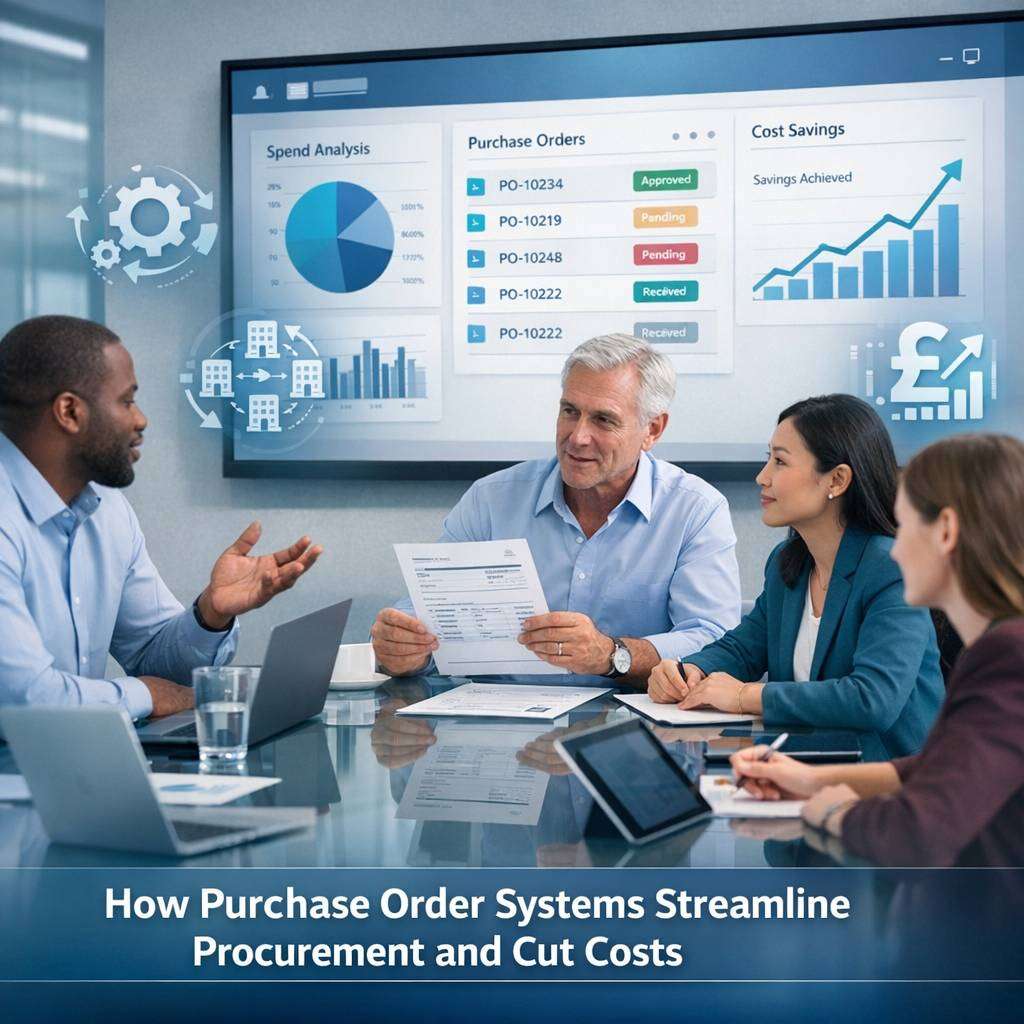
In today’s fast-moving commercial landscape, efficient procurement is a critical driver of profitability. A well-implemented purchase order (PO) process helps organisations control spend, improve supplier relationships, and expose opportunities for savings that might otherwise be hidden in manual workflows. This article explains how modern purchase order systems — including cloud based purchase order system solutions and digital purchase order software — can transform procurement operations.
Across industries, teams grapple with fragmented purchasing processes, disparate spreadsheets, and eroding control over spending. A robust po system software provides a single source of truth for all requisitions, approvals, and orders. By standardising procedures and automating routine tasks, businesses can reduce cycle times, minimise errors, and establish clearer governance over every purchase. The result is not only lower administrative costs but also better compliance with internal policies and external regulations.
What is a purchase order system?
A purchase order system is a structured framework for creating, approving, transmitting, and tracking purchase orders. It replaces paper-based or ad hoc methods with a digital, auditable trail. Key features typically include automated PO generation from approved requisitions, electronic approval routing, supplier management, and real-time status updates. For organisations seeking flexibility and scalability, cloud based purchase order system options are particularly compelling, offering access from anywhere and seamless integration with existing ERP or accounting platforms.
Benefits of adopting a purchase order system
- Improved spend visibility: A centralised po system software consolidates data across departments, enabling real-time reporting on committed versus actual spend. This visibility supports smarter budgeting and forecasting.
- Enhanced control and compliance: Automated workflows enforce policy checks, preferred supplier lists, and contract terms. A purchase ordering system helps prevent off-contract purchases and duplicate orders.
- Reduced errors and processing times: Digital purchase order software eliminates manual data entry mistakes and streamlines authorisation. This accelerates procurement cycles and reduces supplier lead times.
- Better supplier relationships: Consistent PO processes and timely payments strengthen supplier trust, which can unlock favourable terms and priority service.
- Cost savings through automation: Although the initial investment may be modest, ongoing efficiencies from automated approvals, electronic invoicing, and PO reconciliation translate to meaningful cost reductions over time.
Key components of an effective PO system
- Purchase order creation and editing: The software for purchase orders should allow users to generate POs directly from approved requisitions, with configurable templates and line-item details.
- Approval workflows: A purchase order control system should enable multi-layer approvals, conditional routing, and escalation rules to ensure purchases meet policy before issuance.
- Supplier management: Integration with supplier records, contract terms, and price lists helps standardise purchasing and leverage negotiated rates.
- PO transmission and receipt: Electronic transmission to suppliers and streamlined receipt verification, including advance mismatch alerts, improve accuracy and timeliness.
- Order tracking and analytics: Real-time status updates and analytics dashboards provide visibility into cycle time, supplier performance, and spend patterns.
Choosing the right technology: cloud based vs on-premises
- Cloud based purchase order system: This option offers rapid deployment, lower upfront costs, automatic updates, and scalable access for remote or mixed teams. It integrates with cloud accounting and ERP ecosystems, enabling smoother data flows and reduced IT overhead.
- On-premises PO system software: Some organisations prefer to keep data entirely within local infrastructure for security or regulatory reasons. On-prem solutions can be customised heavily but usually require more internal maintenance and capital expenditure.
- Hybrid approaches: For some businesses, a hybrid model balances security with the flexibility of cloud services, providing selected on-prem data storage alongside cloud-enabled workflows.
From requisition to payment: end-to-end procurement automation
A modern purchase order system supports end-to-end procurement automation, integrating with procurement cards, electronic invoicing, and accounts payable. The typical lifecycle includes:
- Requisition: A need is identified and converted into a formal requisition, with details such as item, quantity, and required delivery date.-Approval: The requisition becomes a PO after automated or manual approvals, ensuring compliance with policy and budget constraints.-PO creation and dispatch: The PO is generated and transmitted electronically to the supplier, containing all necessary terms, pricing, and delivery instructions.-Receipt and matching: Goods or services are received, and a three-way match (PO, receipt, and supplier invoice) is performed to validate accuracy.-Payment: Invoices are processed and paid in accordance with terms, with the system capturing audit trails and payment records.
How digital tools reduce procurement costs
- Standardisation: Digital purchase order software enforces standard processes, reducing variance and the risk of maverick buying.
- Faster cycle times: Automations shorten requisition-to-PO times, enabling your teams to respond quickly to needs and secure better supplier capacity.
- Reduced admin overhead: Automation reduces manual data entry, paperwork, and email traffic, freeing staff to focus on strategic sourcing.
- Improved invoicing accuracy: Electronic matching reduces payment errors and disputes, speeding up the accounts payable cycle.
- Data-driven negotiations: Analytics from the purchase order system highlight supplier performance, price trends, and volume opportunities that bolster negotiations and contract compliance.
Best practices for implementing a PO system
- Start with governance: Align stakeholders, define policy rules, and establish clear ownership for requisition and approval processes.
- Map processes before automation: Document current workflows to identify bottlenecks and tailor the po system software to your organisation’s needs.
- Pilot before scaling: Test with a representative department to refine configurations, approval routing, and supplier setup.
- emphasise change management: Provide training, quick reference guides, and ongoing support to ensure adoption.
- Measure value: Track metrics such as cycle time, maverick spend, supplier lead times, and PO exception rates to quantify benefits.
The shift to online purchase orders and cloud enabled procurement
Online purchase orders offer the dual advantages of accessibility and traceability. With a cloud based purchase order system, teams can approve, modify, and issue POs from desktops or mobile devices, maintaining control while enabling faster decision-making. The transition to digital purchase order software often yields a measurable reduction in processing costs, improved compliance, and stronger supplier relationships.
Ultimately, organisations adopting a integrated purchase ordering system gain a holistic view of spend, best-practice workflows, and strengthened financial governance. Whether you opt for cloud based solutions or a more traditional po system software deployment, the emphasis remains the same: standardise, automate, and optimise to unlock cost savings and procurement excellence.
A robust purchase order systems streamline procurement, reduce errors, and accelerate approvals. Businesses save time and enforce policy compliance with automated workflows and real-time tracking. Transitioning to modern solutions enhances supplier collaboration, budget control, and audit trails, delivering measurable efficiency gains. https://www.cflowapps.com/purchase-order-automation/