
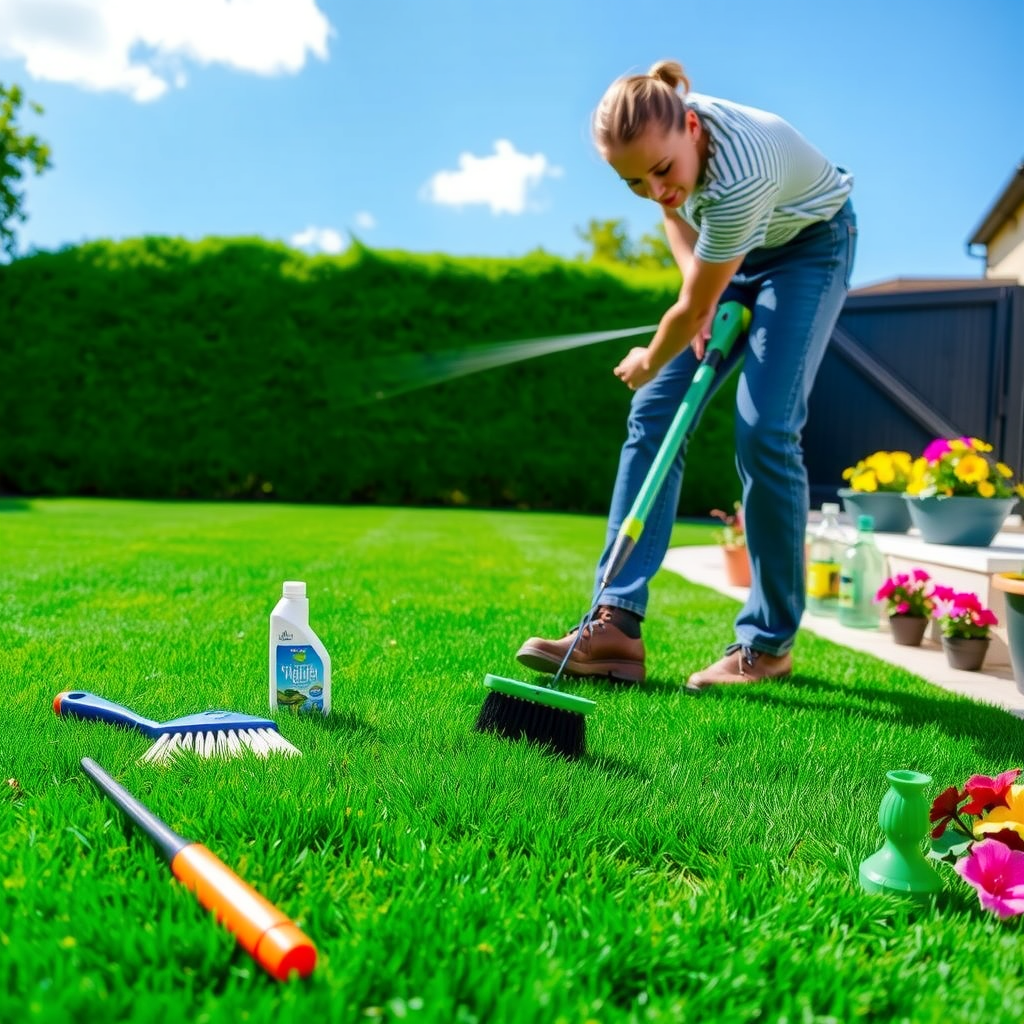
To ensure your lawn stays vibrant and functional, learn how to maintain artificial grass effectively. Regular brushing and proper cleaning techniques can extend its life. For expert tips, visit https://www.artificialgrassmaintenance.co.uk. Enjoy a pristine outdoor space!
Artificial grass is an increasingly popular choice for homeowners and commercial spaces due to its aesthetic appeal and low maintenance requirements. However, like any surface, it requires proper care and maintenance to ensure it stays looking its best and lasts for many years. This guide will provide you with expert tips on how to maintain your artificial grass, focusing on artificial grass care and maintenance, and how you can make the most out of an artificial grass maintenance service.
Understanding the Importance of Regular Maintenance
Regular maintenance is crucial for extending the life of your artificial grass. While it does not require the same level of attention as natural grass, neglecting it can lead to a variety of issues including matting, discolouration, and the accumulation of dirt and debris. Well-cared-for artificial grass not only enhances the aesthetic quality of your space but also ensures a safe and clean environment for children and pets.
Basic Maintenance Tasks
Maintaining artificial grass may sound daunting, but it can be simplified into a few basic tasks that should be performed regularly:
1. Regular Brushing
One of the most essential tasks in artificial grass maintenance is brushing. Over time, the fibres of the grass can become matted, especially in high-traffic areas. Use a stiff-bristled broom or a specialised grooming tool to gently brush the grass against the grain. This will help to stand the blades upright and prevent them from becoming flattened.
2. Cleaning Debris
A clean surface is vital for maintaining the look and integrity of your artificial grass. Regularly remove leaves, twigs, and other debris that can accumulate. A leaf blower or a rake can make this task easier, ensuring that your artificial grass remains free from organic materials that could encourage mould or pests.
3. Watering
While artificial grass does not require watering like natural grass, rinsing it occasionally can help to remove dirt, dust, and pollen. This is particularly important during hot weather when the surface can get dusty. Use a hose with a spray nozzle to lightly wash the grass without saturating the ground underneath.
Addressing Stains and Spills
Accidents happen, and understanding how to address them is crucial for maintaining your artificial grass’s appearance.
4. Spot Cleaning
For minor stains, a mixture of warm soapy water and a cloth can often be sufficient. Blot the area rather than rubbing it, to prevent any damage to the grass fibres. For more stubborn stains, such as those from oil or chemicals, you may need to consider a specialised cleaner that is safe for artificial grass.
5. Odour Control
If your artificial grass is being used as a pet play area, you may notice unpleasant odours over time. To combat this, a mixture of vinegar and water can be used to neutralise smells. However, ensure the cleaning solution is compatible with artificial grass to avoid any potential damage.
Professional Maintenance Services
If you find that maintaining your artificial grass requires more time and effort than you can manage, consider hiring an artificial grass maintenance service. These professionals can provide comprehensive services tailored to your specific needs.
6. Artificial Grass Maintenance Packages
Many maintenance companies offer artificial grass maintenance packages that can include services such as deep cleaning, stain removal, and infill replenishment. These packages can save you time and ensure that your artificial grass remains in pristine condition throughout the year.
Seasonal Maintenance Considerations
Different seasons can pose unique challenges for artificial grass maintenance. Here are some tips to consider:
7. Spring Cleaning
As the weather improves, conduct a thorough inspection of your artificial grass. Remove winter debris, check for any damage that may have occurred over the colder months, and give it a good brush to restore the blades.
8. Summer Care
During hot spells, consider misting your grass to keep it cool, particularly if it is in direct sunlight. Ensure you maintain the infill levels, as this helps in stabilising the fibres and keeping them upright.
9. Autumn Preparations
In autumn, be vigilant about leaf accumulation. Regularly clearing leaves can prevent them from trapping moisture and potentially leading to mould growth. It’s also a good idea to check for any rips or tears that could worsen with the wear of seasonal weather changes.
Finding Maintenance Services Near You
If you are looking for an artificial grass maintenance service, search for “artificial grass maintenance near me” to find local professionals who can assist you. Ensure they are experienced and understand the specific requirements of artificial turf, particularly its unique maintenance needs compared to natural grass.
By following these expert tips and employing a consistent maintenance routine, you can effectively maintain your artificial grass and enjoy its many benefits for years to come. Remember, the key to longevity lies in regular care and promptly addressing any issues that may arise.