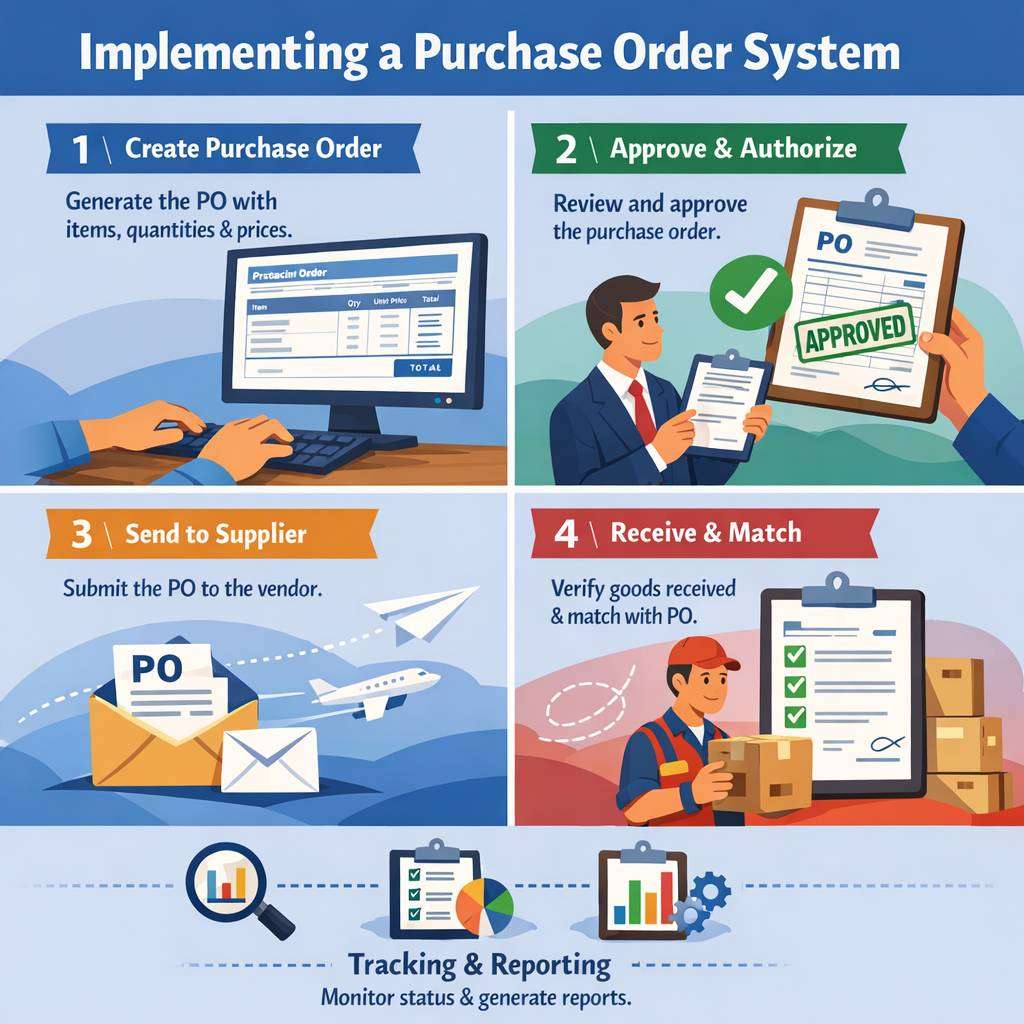
Implementing an effective purchase order system is essential for streamlining procurement processes, enhancing financial control, and improving overall operational efficiency. Transitioning to a digital, cloud-based purchase order software offers organisations numerous benefits, from real-time tracking to reduced manual errors. Whether you’re upgrading from manual methods or replacing an outdated system, a structured approach ensures a smooth transition and maximum return on investment. In this guide, we’ll explore a comprehensive step-by-step process to implement a purchase order system that meets your organisation’s needs.
Assessing Your Organisation’s Needs and Goals
Before selecting and deploying a purchase order management system, it’s crucial to understand your organisation’s specific requirements and strategic objectives.
Evaluate Current Procurement Processes
Start by analysing how procurement is handled within your organisation. Identify pain points such as delays, inaccuracies, or lack of visibility. Document current workflows, stakeholder roles, and approval hierarchies. This assessment helps inform the features you need in your electronic purchase order system.
Define Goals and Key Performance Indicators
Establish clear goals—such as reducing processing time, improving compliance, or increasing spend visibility. Set measurable KPIs to track success post-implementation, like cycle times, error rates, or user adoption levels.
Identify Technical and Functional Requirements
Considering your organisation’s size, industry, and procurement complexity, define essential features. For example, integration with accounting software, mobile accessibility, custom approval workflows, and reporting functionalities. This ensures you select a suitable purchase order management software that aligns with your operational needs.
Selecting the Right Cloud Purchase Order System
With your needs defined, the next step is selecting a purchase order system that fits organisational requirements and budget.
Evaluate Cloud-Based Purchase Order Software Options
Cloud purchase order systems are increasingly popular due to their scalability, accessibility, and lower upfront costs. When reviewing options, consider factors like ease of use, vendor reputation, customer support, and compliance standards.
Comparing Features and Benefits
Look for features such as:
- User-friendly interface
- Customisable approval workflows
- Real-time notifications
- Integration capabilities with ERP or accounting software
- Audit trail and compliance tracking
- Mobile access for remote users
A comprehensive purchase order management system should also offer automation tools to streamline repetitive tasks, reducing manual effort and potential errors.
Vendor Due Diligence
Perform thorough due diligence by requesting demos, reading user reviews, and verifying vendor security certifications. A reliable cloud purchase order system will ensure data integrity and security, with regular backups and robust access controls.
Planning and Preparing for Implementation
Proper planning reduces disruption and ensures stakeholder buy-in.
Assign a Project Team and Stakeholders
Identify key personnel from procurement, finance, IT, and other relevant departments. An implementation leads to coordinate activities, communicate updates, and address concerns.
Develop an Implementation Timeline
Create a phased rollout plan, starting with a pilot in select departments or procurement categories. Set clear milestones and deadlines to monitor progress.
Data Preparation and Migration
Prepare existing purchase order data, supplier information, and approval hierarchies for migration into the new system. Clean and validate data to prevent issues during setup. Define data import procedures aligned with your PO system software’s capabilities.
Training and Change Management
Invest in comprehensive training sessions for end-users and administrators. Develop user manuals and provide ongoing support. Emphasise the benefits of the new system to promote adoption and minimise resistance.
Deployment, Testing, and Optimisation
Implementing a purchase order system is an iterative process that benefits from thorough testing and continuous improvement.
System Deployment and Integration
Deploy the cloud purchase order system in a controlled environment. Integrate it with existing enterprise systems, such as ERP or accounting solutions, to enable seamless data flow and minimise manual entry.
Conduct User Acceptance Testing (UAT)
Engage actual users in testing the system’s functionalities. Collect feedback on usability, workflow accuracy, and system performance. Address any issues before full deployment.
Streamlining procurement processes is easy with a reliable purchase order system. Discover how https://cloudb2b.co.uk/ offers efficient solutions for creating, managing, and tracking purchase orders seamlessly. Implementing the right purchase order system can improve accuracy, save time, and enhance overall procurement efficiency for your business.
Monitor Performance and Collect Feedback
Post-implementation, continuously monitor KPIs and gather user feedback. Regular reviews help identify bottlenecks, improve workflows, and ensure the PO system aligns with organisational goals.
optimisation and Continuous Improvement
Leverage reporting features to analyse procurement data. Use insights to refine processes, create standard operating procedures, and further automate tasks. Keep abreast of product updates from your vendor to incorporate new features that enhance efficiency.
Implementing a purchase order system with the right approach and tools ensures your organisation can manage procurement efficiently, improve financial control, and support strategic growth. Transitioning to a cloud purchase order system not only modernises your operations but also offers the scalability and flexibility needed in today’s dynamic business environment. By following these detailed steps, you can achieve a successful and sustainable procurement transformation.