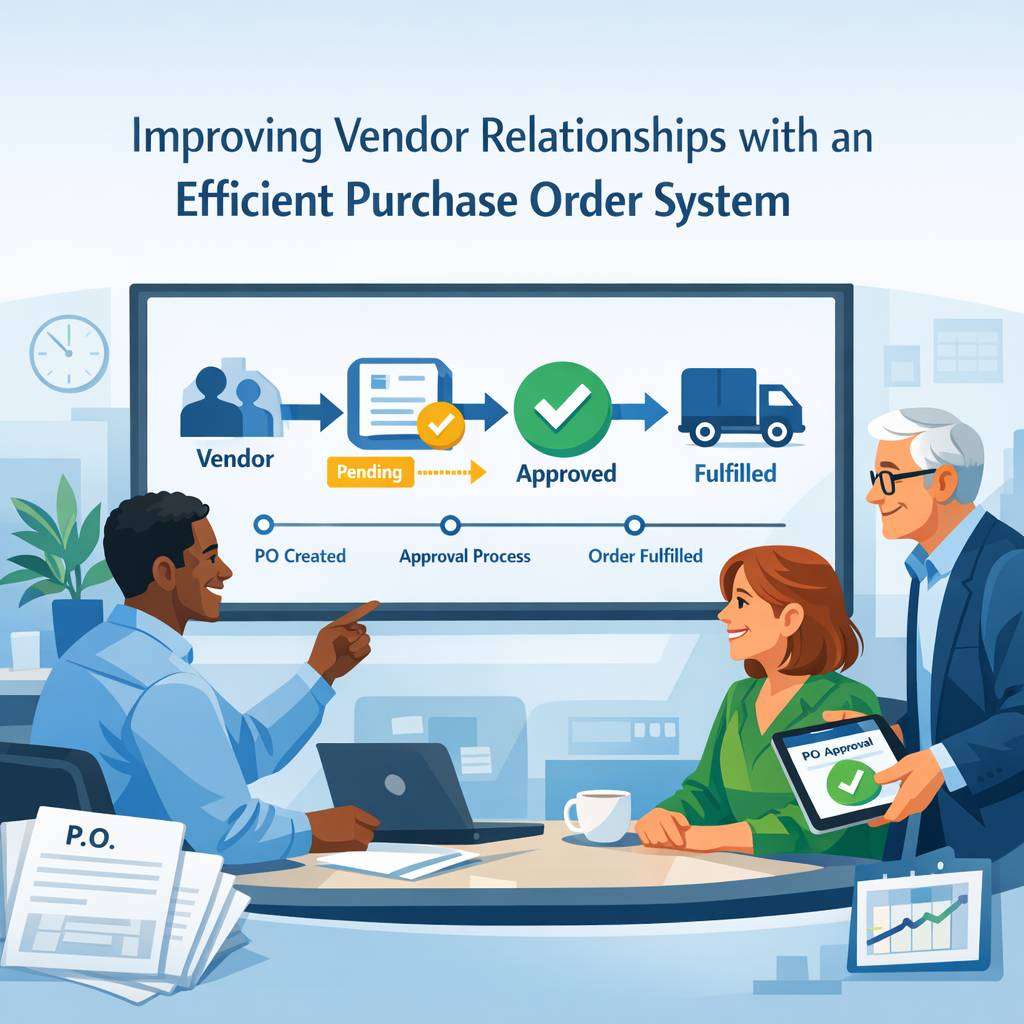
In today’s competitive landscape, strong supplier partnerships are a strategic differentiator. An efficient purchase order system can be the linchpin that aligns procurement, finance, and vendor performance, delivering smoother operations, lower costs, and improved collaboration. By embracing robust po software and standardising processes, organisations can cultivate trust with suppliers, reduce errors, and accelerate cycle times.
The value of a structured approach to purchasing
A well-designed purchase order management system provides clear expectations for both buyers and suppliers. It translates requisitions into formal purchase orders, capturing essential details such as item descriptions, quantities, pricing, delivery dates, and terms. With precise information, vendors can plan production and logistics with confidence, whilst internal stakeholders gain visibility into spend and utilisation.
Key benefits include:
- Improved accuracy and fewer discrepancies in orders
- Faster approval workflows and reduced purchasing cycle times
- Better budget control through auditable trails and spend analytics
- clearer contractual terms and delivery commitments
When a business adopts purchase order systems that are scalable and user-friendly, it signals professionalism to suppliers and reinforces reliability in the procurement process.
Transitioning to an electronic purchase order system
Electronic purchase order system solutions modernise traditional paper-based methods. They enable rapid creation, dispatch, and acknowledgement of purchase orders, often integrated with ERP, accounting, and inventory management modules. The shift to electronic po system reduces manual data entry, minimises transcription errors, and speeds up supplier response times.
Consider these advantages:
- Instant issue and confirmation of purchase orders, including electronic signatures or approvals
- Secure, auditable records with version control and status tracking
- Seamless integration with invoicing and payment workflows, aiding early payment discounts
- Enhanced supplier portals for real-time order status and documentation exchange
For organisations in the UK, purchase order software UK offerings frequently emphasise compliance with regional financial controls and VAT requirements, while ensuring interoperability with common UK accounting standards.
A robust purchase order system streamlines procurement, boosts visibility, and reduces processing time by automating approvals and tracking. By centralizing suppliers, budgets, and timelines, teams gain tighter control over spend. For more details on AP optimization, explore our resources. https://www.quadient.com/en/ap-automation/purchase-orders
Characteristics of an effective po software
An exemplary po software solution should deliver more than a digitised form. The best systems are designed with the supplier ecosystem in mind, supporting collaboration rather than merely substitution of paper processes. Look for:
- End-to-end lifecycle management: requisition, approval, issue, change management, and close-out
- Configurable approval routing to reflect procurement policies and spend thresholds
- Strong search, reporting, and analytics to monitor supplier performance and procurement cycles
- Automated validation of vendor details, terms, and contract obligations
- Robust security, access controls, and audit trails
In addition, scalability is critical. A system that works well for a small business may struggle under the demands of a larger enterprise or multi-site organisation. A well-chosen po system should support multi-currency transactions, multiple locations, and centralised governance without sacrificing local flexibility.
A robust purchase order system streamlines procurement, tracking, and vendor communications, enabling teams to manage orders with precision and visibility. It reduces manual work, improves compliance, and strengthens budgeting. Implementing the right solution helps reconcile inventories, automate approvals, and provide real-time status updates for stakeholders. For deeper guidance on creating orders in a modern workflow, refer to this detailed resource: https://learn.microsoft.com/en-us/dynamics365/supply-chain/procurement/tasks/create-purchase-order.
FAQ: Purchase Order System
What is a purchase order system?
A purchase order system is a structured workflow and software solution used to create, approve, issue, track, and manage purchase orders (POs) within an organisation. It helps streamline procurement, control spending, ensure compliance, and provide visibility into supplier interactions.
Why do I need a purchase order system?
- Improves spend control and budget adherence
- Increases procurement efficiency and throughput
- Enhances supplier collaboration and accuracy
- Provides end-to-end PO visibility and reporting
- Supports audit trails and regulatory compliance
What features should I look for in a purchase order system?
- PO creation and customisation (templates, line items, pricing)
- Approval workflows with multi-role routing
- Supplier catalogs and electronic sourcing
- Receipt and invoice matching (3-way match)
- Budget checks and spend governance
- Real-time PO status tracking and dashboards
- integration with ERP, accounting, and inventory systems
- Audit trails, version history, and compliance reporting
- Mobile access and notifications
- PO templates for recurring purchases and blanket orders
How does a purchase order system differ from procurement software?
A PO system focuses specifically on managing purchase orders and related processes (creation, approval, issuance, receipt, and invoicing). Procurement software is broader, encompassing supplier management, strategic sourcing, contract management, spend analytics, and supplier risk. A PO system can be a component of a larger procurement suite.
Can a purchase order system integrate with ERP?
Yes. Integration with ERP systems (like SAP, Oracle, NetSuite, Dynamics) enables seamless data flow for PO data, inventory, accounts payable, and financial reporting. Look for bidirectional, real-time synchronisation and robust mapping of fields.
What are the benefits of automating purchase orders?
- Faster cycle times from request to issuance
- Reduced manual data entry and human error
- Improved compliance with preferred suppliers and negotiated terms
- Better budget control and spend visibility
- Easier auditability and traceability
How does the approval workflow work in a PO system?
Typically, a PO is created and routed to one or more approvers based on rules (amount thresholds, department, vendor, project). Approvers can approve, reject, or request changes. The system records timestamps and user actions, and upon final approval, the PO is issued to the supplier.
What is a 3-way match, and why is it important?
A 3-way match compares the PO, the supplier invoice, and the received goods/services receipt. Ensuring they align helps prevent overpayments, duplicate payments, and discrepancies, improving financial accuracy and control.
How can a PO system help with supplier management?
- Centralized supplier data and performance metrics
- Approved supplier lists and contract terms
- Catalogs and negotiated pricing
- Easy onboarding, qualification, and risk assessments
- Performance analytics and supplier scorecards
Is a purchase order system suitable for small businesses?
Yes. Many PO systems offer scalable plans or lightweight versions designed for small teams. They help small businesses maintain spend control, reduce manual processes, and grow with automation features as needs expand.
What are common deployment options?
- Cloud-based (SaaS): Quick setup, automatic updates, accessible from anywhere
- On-premises: Full control and customisation, higher upfront cost
- Hybrid: Some modules on-premises, others in the cloudChoose based on IT strategy, security requirements, and budget.
How do I choose the right PO system for my organisation?
- Assess procurement volume, user roles, and approval complexity
- Consider integrations with ERP, accounting, and inventory systems
- Evaluate automation capabilities (receipts, invoicing, notifications)
- Check compliance features (audit trails, role-based access)
- Review reporting and analytics capabilities
- Demo important workflows (PO creation, approval, receipt, invoicing)
- Consider total cost of ownership, including implementation and support
What is implementation like for a purchase order system?
Typical steps:
- Requirements gathering and process mapping
- System configuration and workflow setup
- Data migration (supplier, catalog, existing POs)
- Integration setup with ERP or accounting
- User training and change management
- Pilot run, validation, and go-live
- Ongoing support and optimization
How much does a PO system cost?
Costs vary by deployment type, number of users, features, and vendor. Common models include subscription pricing per user per month, or a tiered plan based on transaction volume. Request a quote and consider total cost of ownership, including integration and training.
Can I customise workflows and approval rules?
Most PO systems offer configurable workflows, approval routing based on spend, department, vendor, or project, and rules for budget checks. Ensure the system provides a non-code or low-code option if you need frequent changes.
What about security and compliance?
Look for role-based access control, data encryption at rest and in transit, audit trails, tamper-evident records, and compliance with relevant standards (e.g., SOX, GDPR). Regular security updates and vendor certifications are also important.
How long does it take to implement a PO system?
Implementation timelines vary from a few weeks to several months depending on scope, data readiness, integrations, and organisational readiness. A phased rollout can reduce risk and disrupt minimal operations.
Do I need training to use a PO system?
Yes. Training helps users create POs correctly, follow approval processes, and utilise dashboards and reports. Many vendors offer on-site or virtual training, knowledge bases, and certification programs.
How do I measure success after implementing a PO system?
- Time-to-PO cycle reduction
- Increase in on-time supplier payments
- Compliance rate with approved vendors and budgets
- Decrease in manual data entry errors
- Improved spend visibility and forecasting accuracy
- User adoption rates and feedback
If you’d like, tell me your organisation size, key requirements, and existing systems, and I can tailor these FAQ entries to fit your context.
Building better supplier relationships through transparency
Transparency is a cornerstone of healthy vendor relationships. When suppliers can access up-to-date information about demand forecasts, purchase orders, and change notices, they can align production schedules and capacity more effectively. A modern purchase order management system enables this level of openness through supplier portals, real-time notifications, and standardised data formats.
Best practices to strengthen supplier engagement include:
- Sharing categorical forecast data and critical lead times to help suppliers plan capacity
- Providing timely and clear change orders when specifications or timelines shift
- Implementing consistent, documented processes for exceptions and dispute resolution
- Recognising on-time performance with supplier scorecards and feedback loops
By fostering a collaborative environment, organisations encourage favourable terms, reliable delivery, and more proactive supplier participation.
A purchase order system streamlines procurement, improves visibility, and cuts processing time. It centralizes requests, approvals, and tracking, reducing errors and delays. Businesses gain control over budgets and supplier relationships, while reporting analytics drive smarter decisions. https://www.cflowapps.com/purchase-order-automation/ for modern automation solutions.
A robust purchase order system streamlines procurement, improves compliance, and enhances visibility across departments. It integrates supplier catalogs, automates approvals, and tracks costs in real time. Discover more about efficiencies at https://cloudb2b.co.uk/.
Minimising errors and disputes with automation
Manual processes are a primary source of errors in procurement. A robust purchase order management system eliminates much of the risk by enforcing data validation, standardised templates, and automated workflow rules. For example, PO software can automatically verify pricing against contracts, detect duplicate orders, and flag missing fields before submission.
Automation also speeds up issue resolution. When a supplier flags a discrepancy, the system records the event, routes it to the appropriate internal owner, and provides a clear audit trail. This reduces cycle times and enhances accountability, which, in turn, strengthens trust between buyers and suppliers.
Enhancing financial governance and compliance
In the UK and beyond, procurement must align with governance standards, contractual terms, and VAT regulations. A comprehensive purchase order system supports compliance by:
- Maintaining a central repository of supplier contracts and agreed terms
- Enforcing approval limits, mandated authorisers, and segregation of duties
- Capturing mandatory tax and invoicing data to ensure accurate VAT treatment
- Providing audit-ready reports for internal and external reviews
For organisations looking to optimise procurement across multiple sites, picking a purchase order software uk solution with centralised reporting and local configurability can deliver consistent control while accommodating regional requirements.
Integration and value realisation
The true impact of an efficient po system is realised through integration. When purchase order systems interface seamlessly with ERP, accounts payable, inventory management, and supplier networks, organisations unlock synergies that reduce manual handoffs and promote data integrity.
Key integration points include:
- PO-to-invoice automation to accelerate three-way matching and payment
- Real-time inventory updates to prevent stockouts and overstocking
- Supplier master data synchronisation to maintain up-to-date contact and banking information
- Data feeds to dashboards and dashboards to inform strategic sourcing decisions
Selecting the right solution
Choosing po software involves evaluating both functional fit and total cost of ownership. Important considerations are:
- Usability: intuitive interfaces that users can adopt quickly
- Implementation: realistic timelines, data migration plans, and change management
- Support: responsive vendor support, training resources, and ongoing updates
- Security: role-based access, encryption, and regular security assessments
- Roadmap: alignment with future needs such as advanced analytics or AI-driven insights
For organisations in the UK, it is sensible to assess options that are benchmarked against regional procurement practices and that offer robust compliance features.
Driving cultural change and adoption
Even the finest purchase order software will underperform without user adoption. Engage stakeholders early, communicate the benefits in terms of time savings and reduced errors, and provide targeted training. Champion champions—the super-users who can assist their teams and model best practices—can accelerate the transition and sustain momentum.
In conclusion, cultivating strong vendor relationships hinges on reliability, clarity, and collaboration. An efficient purchase order system delivers those pillars by standardising processes, reducing friction, and enabling superior supplier engagement. Whether you are upgrading legacy processes or implementing a new electronic purchase order system, the right po system can transform procurement from a transactional function into a strategic partnership engine.