
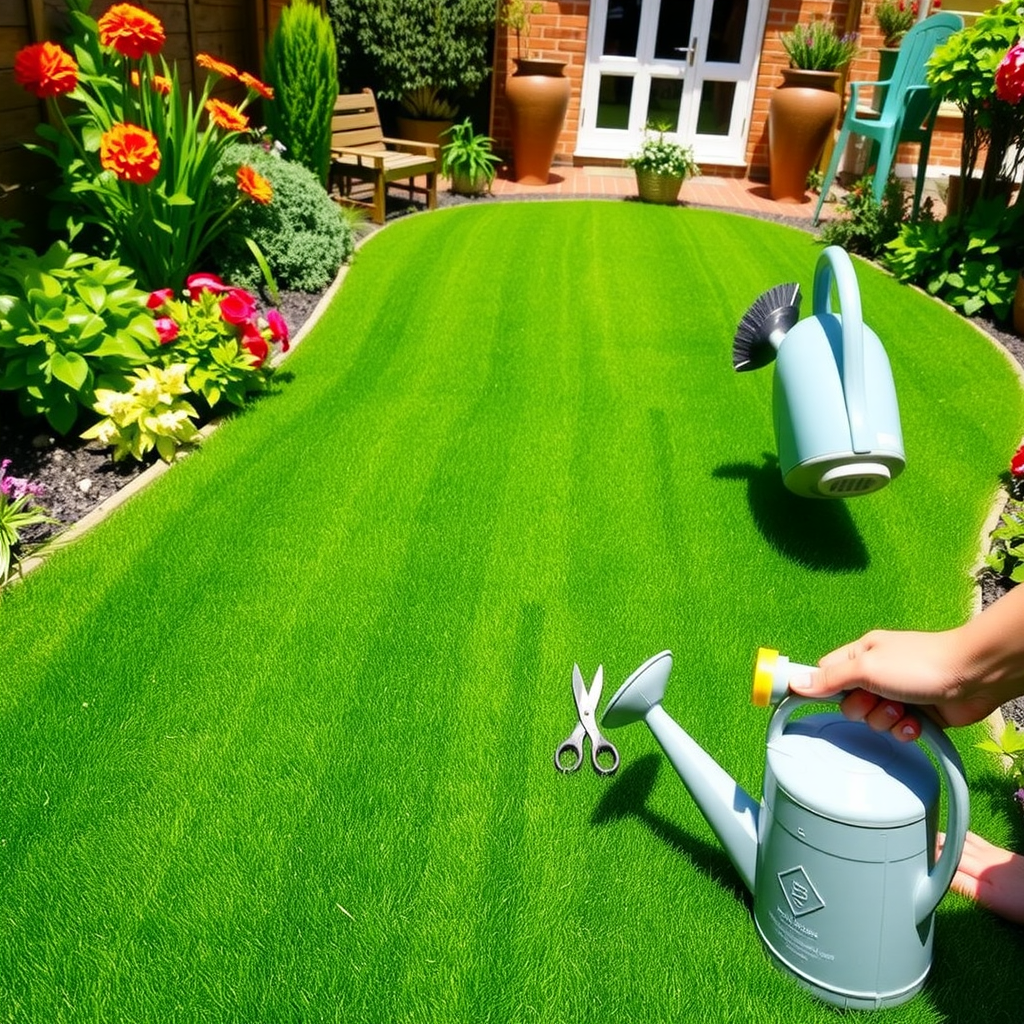
Artificial grass has become an increasingly popular choice for homeowners and businesses alike, thanks to its low-maintenance requirements and ability to provide a vibrant green space year-round. However, just because it’s artificial doesn’t mean it doesn’t need care and attention. Taking the time to maintain your artificial grass properly can significantly extend its lifespan while ensuring it continues to look great. In this post, we’ll explore the essential elements of artificial grass maintenance, providing you with a solid foundation for keeping your synthetic lawn in tip-top condition.
While artificial grass requires less upkeep than natural grass, without proper care, it can be susceptible to wear and tear. Whether you’re considering an artificial grass maintenance package or looking for services to assist with maintenance artificial grass near you, this guide will cover everything you need to know to preserve your green oasis effectively.
Maintenance artificial grass ensures your lawn remains vibrant and lush without the hassle of natural grass upkeep. Regular brushing and debris removal are essential for optimal performance. To learn more about effective maintenance techniques, visit https://www.artificialgrassmaintenance.co.uk for expert tips and services tailored to your needs.
Regular Cleaning and Debris Removal
One of the simplest yet most essential tasks in artificial grass care and maintenance is regular cleaning. Removing debris such as leaves, twigs, and dirt will not only keep your lawn looking pristine but will also prevent potential issues, such as mould and unwanted pests. Here’s how to effectively manage the cleanliness of your synthetic turf:
Raking and Brushing: Use a specialised artificial grass rake or a stiff-bristled broom to remove debris. This helps to prevent grass blades from laying flat and encourages them to stay upright, maintaining that lush appearance. Aim to rake your artificial grass at least once a week, and more often during the autumn months when leaves are prevalent.
Hosing Down: A thorough rinse with a hose can help wash away fine dirt, dust, and pet waste. A good rule of thumb is to do this once a month, although frequency may be increased if you have pets or heavy foot traffic on your grass. You can also use a mild soap solution if necessary, just ensure it’s suitable for synthetic surfaces.
Power Washing: For deeper cleans, consider hiring a professional artificial grass maintenance service that offers power washing. This method is useful for removing ground-in dirt, especially if your grass has accumulated stains or marks over time. Be cautious, though, as too much pressure can damage the turf, so always consult with a professional.
Addressing Compacted Areas
Over time, certain areas of your artificial grass may become compacted due to foot traffic or furniture placement. Compaction can lead to uneven surfaces and inhibit proper drainage. To maintain artificial grass in areas that receive a lot of activity, follow these guidelines:
Decompacting: Every six months, consider using a turf decompactor, which has special teeth designed to lift and aerate the grass fibres. This will help restore resilience and ensure your lawn remains plush and inviting.
Top Dressing: In some cases, you may want to apply a light layer of sand to boost the cushioning effect of your grass. This can subtly improve drainage and comfort. Consult with your artificial grass maintenance package provider for advice on the appropriate materials and methods for your specific type of turf.
Use of Furniture Pads: If you have outdoor furniture on your artificial grass, consider using flat pads beneath the legs to prevent compaction and indentation. These pads distribute weight evenly, reducing the likelihood of damaging the grass fibres.
Dealing with Weeds and Pests
While artificial grass is often touted as being weed-proof, some determined little invaders may still pop up from time to time. Dealing with weeds and pests is crucial for the longevity of your turf. Here’s how to approach this aspect of artificial grass maintenance:
Prevention: Before installation, a solid base layer and weed barrier are essential. If you skipped this step, good news—there are still measures you can take. Regularly check for signs of weed growth, particularly around the edges of your synthetic lawn. Spot-treat any unwelcome greenery with a non-toxic weed killer.
Pest Control: Insects can sometimes make their home in synthetic grass. To discourage this, ensure that you keep your lawn clean, as debris can attract unwanted pests. If you notice an infestation, consult with a professional service that offers artificial grass maintenance near you, as they can help remediate the issue without damaging your turf.
Odour Control for Pet Owners: If you have pets, consider using specific pet-safe cleaning solutions to address smells. Regular hosing down and deodorising will help keep the area fresh and pleasant.
By following these simple guidelines for artificial grass care and maintenance, you can create an appealing outdoor space that lasts for years to come. Whether you choose to engage in regular upkeep yourself or hire a trained service, a little attention goes a long way in sustaining the longevity and beauty of your artificial grass. Your vibrant green landscape is just a clean and well-maintained lawn away!